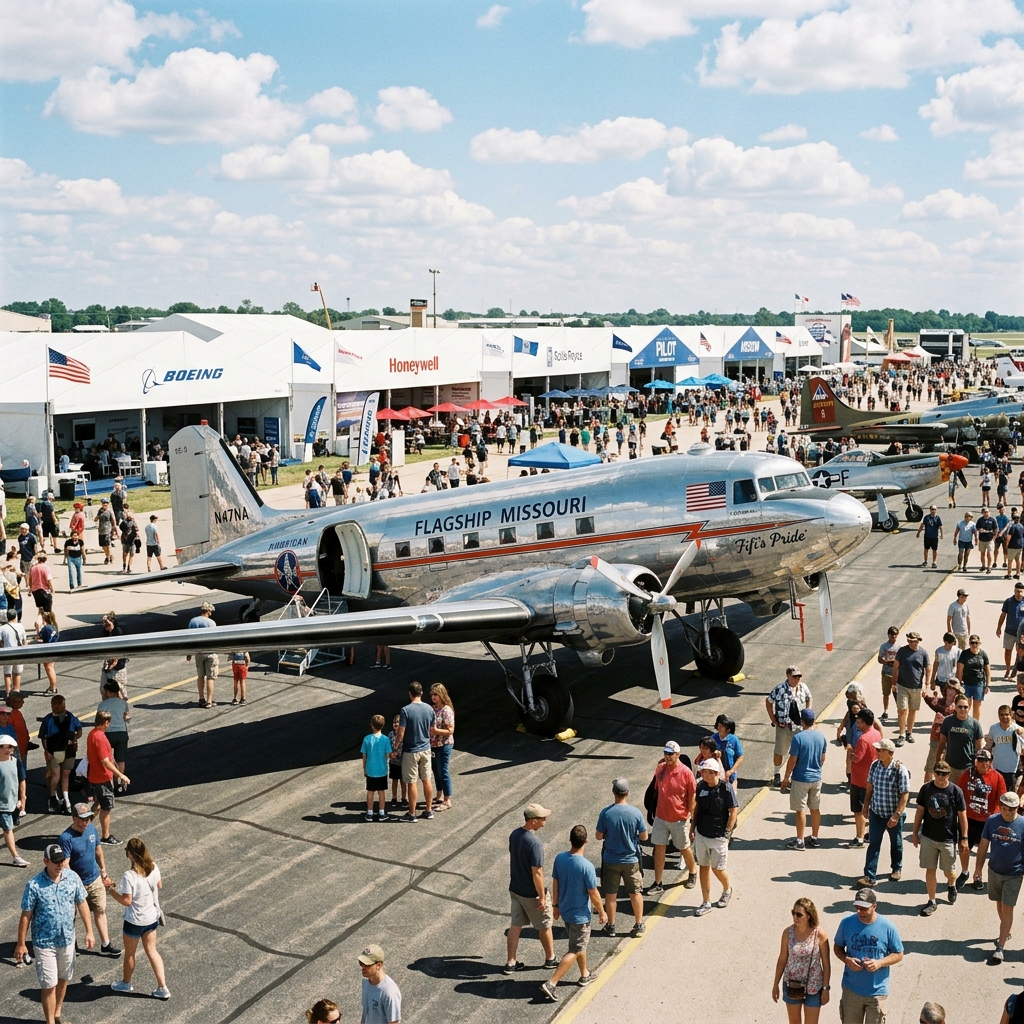
The Douglas DC-3 (C-47)
More than an airplane. It transformed commercial airline travel in the 1930s, helped win World War II at Normandy, and continues serving communities today under the Volunteer Flying Group.
Engineering Specs
Irreplaceable radial piston engineering, tailwheel configuration, and massive interior cargo capacity make the DC-3 uniquely capable of attracting public interest while flying actual aid missions.
Historical Timeline
Follow the journey of the aircraft that defined a century of aviation.
Aircraft Designed
Chief Engineer Arthur Raymond leads the design team, creating a wider, faster commercial airliner model.
Commercial Service Begins
American Airlines flies the inaugural passenger service, transforming commercial aviation profitability.
Military Production Escalation
Modified as the C-47 Skytrain, the aircraft enters mass production to serve as the Allies' primary transport workhorse.
Normandy D-Day Operations
Thousands of C-47s drop paratroopers behind enemy lines in Normandy, securing critical invasion points.
Global Airline Expansion
Surplus military aircraft are converted back to civilian airliners, establishing air routes worldwide.
Historic Humanitarian Missions
USAA-VFG operates this airworthy legend to deliver disaster supplies and inspire veteran communities.
Hangar Gallery
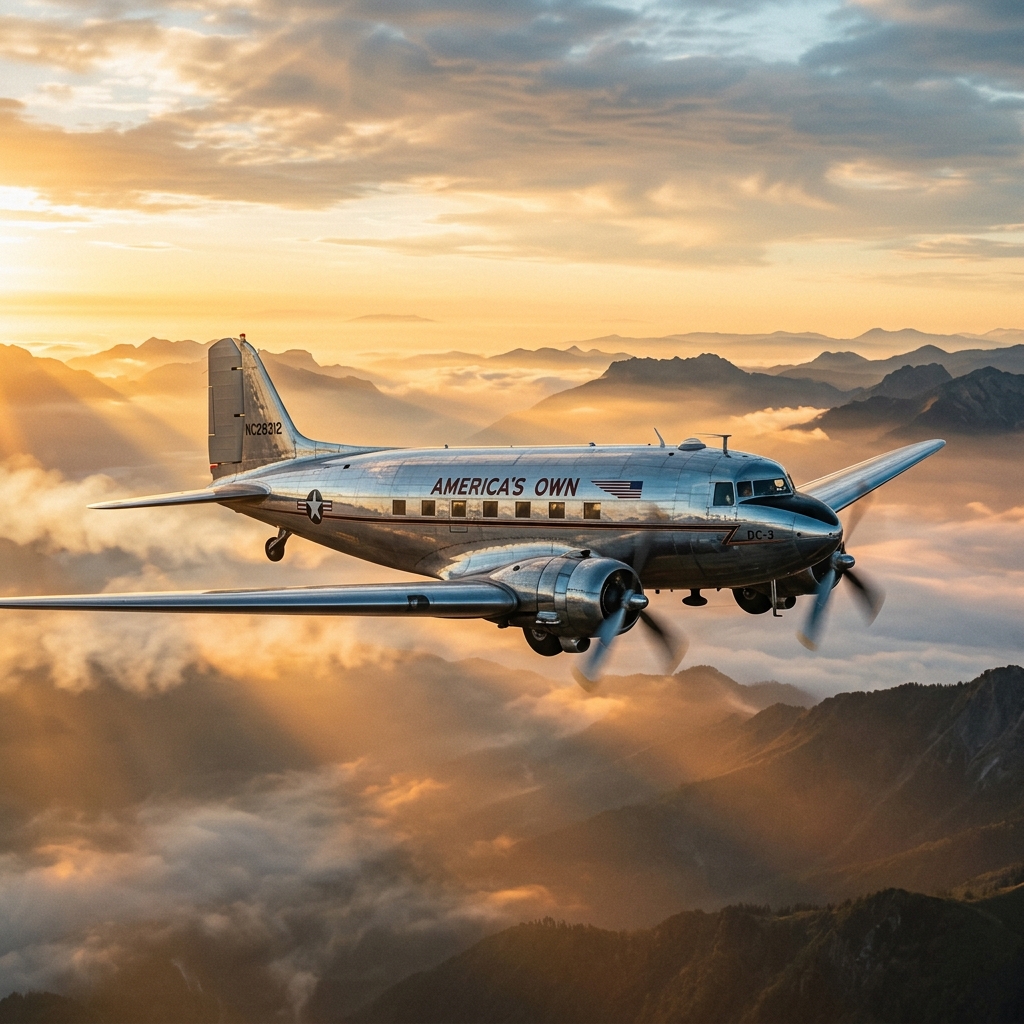
Lifting into Sunrise
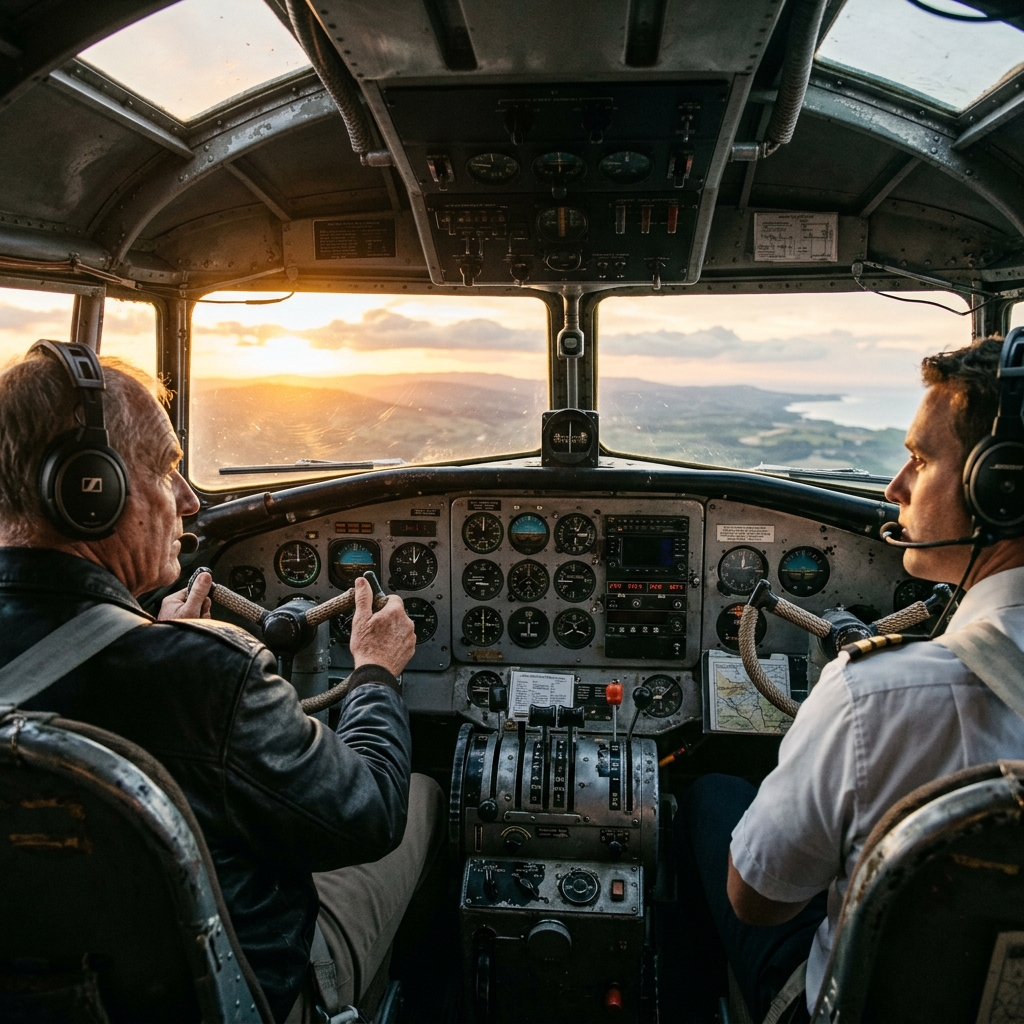
Analog Instruments
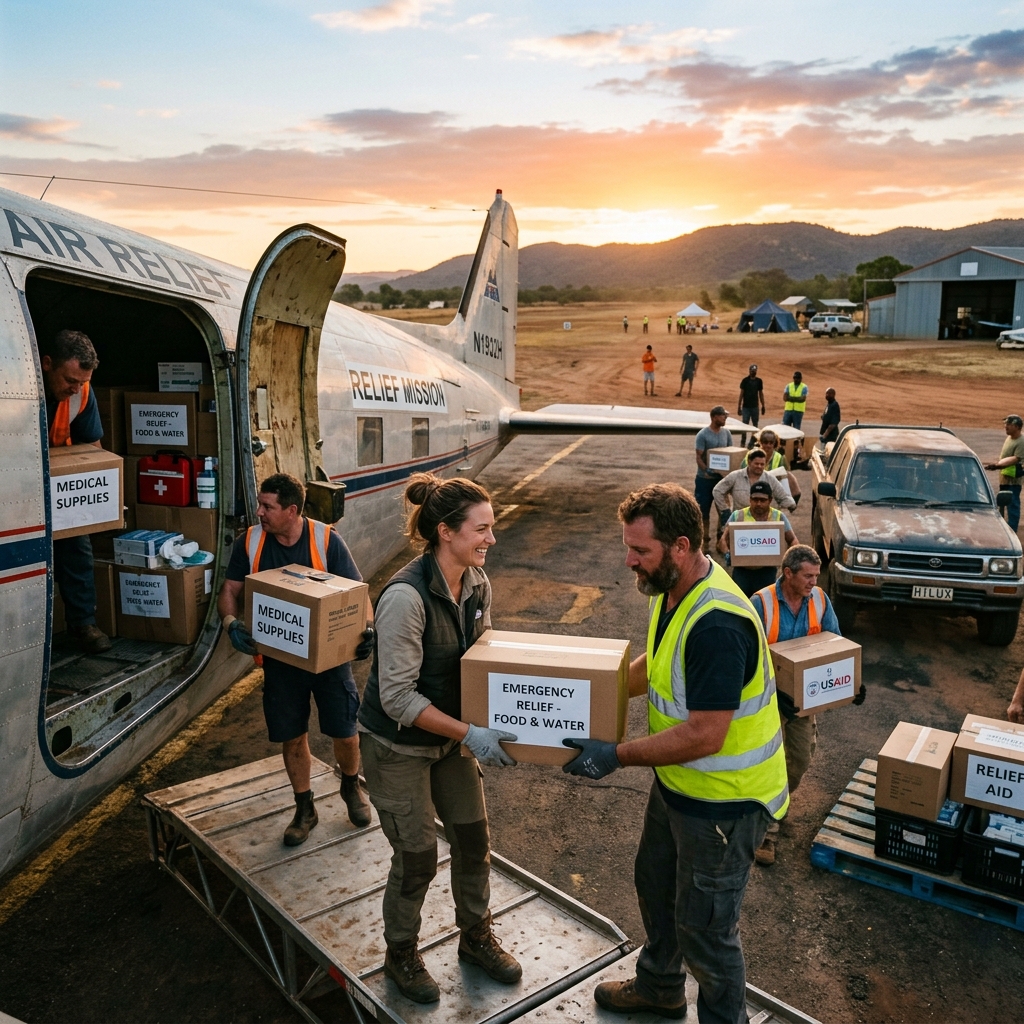
Cargo Cargo Loadout